
How Skilled Nursing at Home Supports Independence for Older Adults
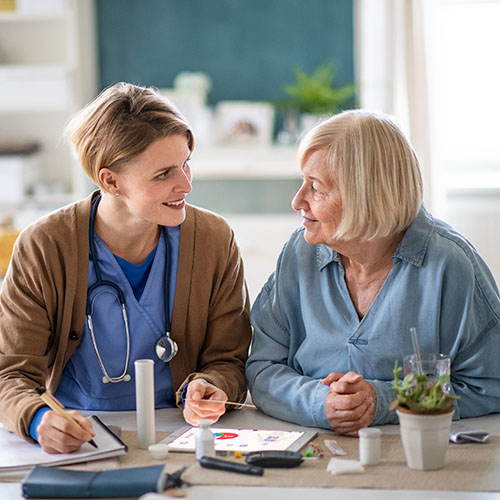
For many older adults, independence is about far more than living at home. It is about keeping control over daily routines, making personal decisions, and continuing to live with dignity. For the family members who love them, independence is also something deeply worth preserving.
But as health needs become more complex, preserving that independence often requires more than good intentions or basic help. It requires clinical judgment. That is where skilled nursing at home can make a meaningful difference. At Vital Bridge Wellness, skilled private nursing is designed to support older adults in remaining more secure, steadier, and highly empowered, not by taking over unnecessarily, but by helping them manage the very things that most often threaten their daily autonomy.
Older adults remain their own selves even as their bodies are changing. And we know that losing control over the way they run their lives and the ability to make their own decisions is often more painful than the limitations that come with an aging body or chronic conditions. Retaining independence allows older adults the space to still be who they are. “Retaining independence” means that the older adult continues to live with dignity, safety, routine, and autonomy. But “retaining independence” doesn’t necessarily mean that they have to do everything by themselves. That’s why the skilled nurses of Vital Bridge Wellness help to foster self-reliance through the preservation of routines, choice, mobility, and confidence.
The Difference Between Skilled Nursing and Basic Caregiving
In their own way, skilled nurses are just as important as caregivers or home care aides in supporting older adults’ independence. Caregivers and home care aides can help with tasks such as reminders, companionship, meals, bathing, or transportation, and are great for supporting daily life. Skilled nurses focus more on the clinical systems that allow autonomy to be maintained safely.
Through professional clinical oversight (assessing clinical changes, building medication systems, monitoring vitals in context with other conditions, educating families, coordinating with physicians, and identifying potential health changes early), skilled nurses can provide essential insight to their patients. When an older adult’s independence is being threatened by medication complexity, changing vitals, chronic conditions, or the involvement of multiple specialists, skilled nursing can provide clarity and direction by helping to manage the things that most often threaten it: medication confusion, missed warning signs, poor coordination, unmanaged symptoms, and difficult transitions.
Supporting Independence Through Systems
One example of how clinical oversight supports independence is seen when an individual manages Parkinson’s. Yes, their body is facing challenges, but they are still cognitively aware and know that medication needs to be taken on a strict schedule. In this case, our team would work with the individual to create a system that fits their life. Perhaps it consists of pill boxes labeled by time and then setting one or more alarms on their phone, allowing them to remain in charge of the administration of their own medication. In time, the individual may even be able to fill the pill boxes themselves. The creation of this system goes beyond simple care…it helps to promote the individual’s ongoing independence.
Monitoring Health Changes Before They Undermine Independence
Supporting an older adult’s independence can also include noticing and interpreting changes in vitals early. A common example is blood pressure: When appropriate during wellness checkups, the Vital Bridge Wellness team will measure blood pressure, even if a patient is on a medication that is meant to manage it. If issues are spotted, then a visit to the physician can be scheduled.
Knowing what the issues are, how to take the readings, and what broader context the readings might have is often shared with caregivers and patients alike so that concerns can be identified and addressed collaboratively. This clinical education is intended to increase informational awareness and proactive communication with the primary care physician, helping address health trends before they disrupt daily life.
Promoting Independence During Transitions
Vital Bridge Wellness aims to support patient independence when a loved one is transitioning into assisted living. For example, when a couple under our care navigates the transition of living independently to assisted living, our skilled nurses encourage the family to let them pack and make decisions, such as where furniture should go. While moving is often a stressful endeavor, giving the couple agency, ownership, and the time to not feel rushed through this major life transition helps honor their independence, benefiting the couple’s health and helping to maintain peace of mind for the whole family.
Beyond Physical Independence: Being Heard and Informed
Vital Bridge Wellness goes a step beyond task-based support by educating their patients, especially those who have multiple conditions to manage and specialists to see. Patients often have questions and may feel anxiety about asking those questions, whether it be because they feel overwhelmed by the number of doctors they must communicate with or because they worry about burdening their caregivers or family members by sharing their thoughts.
The Vital Bridge Wellness team strives to create a safe and informed space for patients to think through their situation and prepare thoughtful questions. Their independence is fostered through this connection, allowing them to understand what is happening and to be a more active participant in their care.
Signs Independence May Be Becoming More Complex to Manage
There are several signs to help indicate when an older adult’s independence is becoming more complicated to maintain and may benefit from the oversight of a skilled nurse. These signs could include:
- patient confusion over (or inconsistency with) taking medications,
- improper patient monitoring of blood pressure or blood sugar,
- an increase in doctor visits (coupled with a decrease in patient clarity as to the purpose of the visit),
- significant family tension around health-related reminders or instructions,
- patient difficulty transitioning into rehab, assisted living, or memory care, or
- patient difficulty in safely and independently managing their systems.
If one or more of these signs are present, Vital Bridge Wellness has a trusted team of skilled nurses to help.
At Vital Bridge Wellness, we strive to support older adults in remaining more secure, empowered, and self-reliant by bringing private clinical oversight into the home setting, along with the steady guidance that families need as care becomes more complex. If your loved one wants to remain as independent as possible, but their care is becoming more complex, Vital Bridge Wellness is here to provide specialized support.
“The information provided in this article or on this website is for educational and informational purposes only and does not constitute medical advice, a standard of care warranty, or the establishment of a formal nurse-patient relationship.”